
If you want an easy answer: choose Phu Quoc for a resort-style island stay, Nha Trang for a lively city-and-beach combination, Mui Ne for a relaxed coastal extension with sand dunes and water sports, and Con Dao for quiet nature, history and a more secluded island experience.
But these four destinations are not interchangeable. Phu Quoc is a large tropical island with a huge range of resorts. Nha Trang is a real coastal city. Mui Ne is a mainland resort strip that is now much easier to reach from Ho Chi Minh City. Con Dao is smaller, quieter and more closely tied to nature conservation and Vietnam’s modern history.
The right choice therefore depends on when you travel, how many beach days you have, whether you want nightlife or silence, and where the beach stay sits within your wider Vietnam itinerary.
This 2026 comparison by Tonkin Voyage Travel helps you choose between Phu Quoc, Nha Trang, Mui Ne and Con Dao without turning your holiday into an unnecessary extra flight or transfer.

1 – Quick answer: Phu Quoc, Nha Trang, Mui Ne or Con Dao?
Start with the experience you want rather than asking which destination has the “best beach”.
| Destination | Best for | Ideal stay | Atmosphere | Main advantage | Main trade-off |
|---|---|---|---|---|---|
| Phu Quoc | Couples, families, resorts, relaxation | 3-5 nights | Tropical island resort | Largest choice of beach resorts | More developed and spread out |
| Nha Trang | City comforts, nightlife, island trips | 2-4 nights | Urban beach city | Easy mix of beach, food and activities | Busier and less secluded |
| Mui Ne | Ho Chi Minh City extensions, dunes, kitesurfing | 2-3 nights | Low-key mainland resort strip | No domestic flight needed from Saigon | Beach conditions vary by section |
| Con Dao | Quiet couples, nature, diving, history | 3-5 nights | Remote, quiet archipelago | Nature + history + seclusion | Fewer hotels, restaurants and services |
Choose Phu Quoc if the beach extension itself is a major part of your holiday and you want the widest choice of resorts.
Choose Nha Trang if you enjoy having restaurants, cafés, nightlife and sightseeing within easy reach of the beach.
Choose Mui Ne if you are finishing a trip in Ho Chi Minh City and want a simple road transfer rather than another airport.
Choose Con Dao if silence, nature and a sense of place matter more than having a large selection of resorts or entertainment.
Expert Tip: Do not choose a Vietnam beach only from photographs. Season, sea conditions and the position of the beach within your wider itinerary matter just as much as the colour of the water.
2 – What is each beach destination actually like?
Phu Quoc – Best all-round resort island
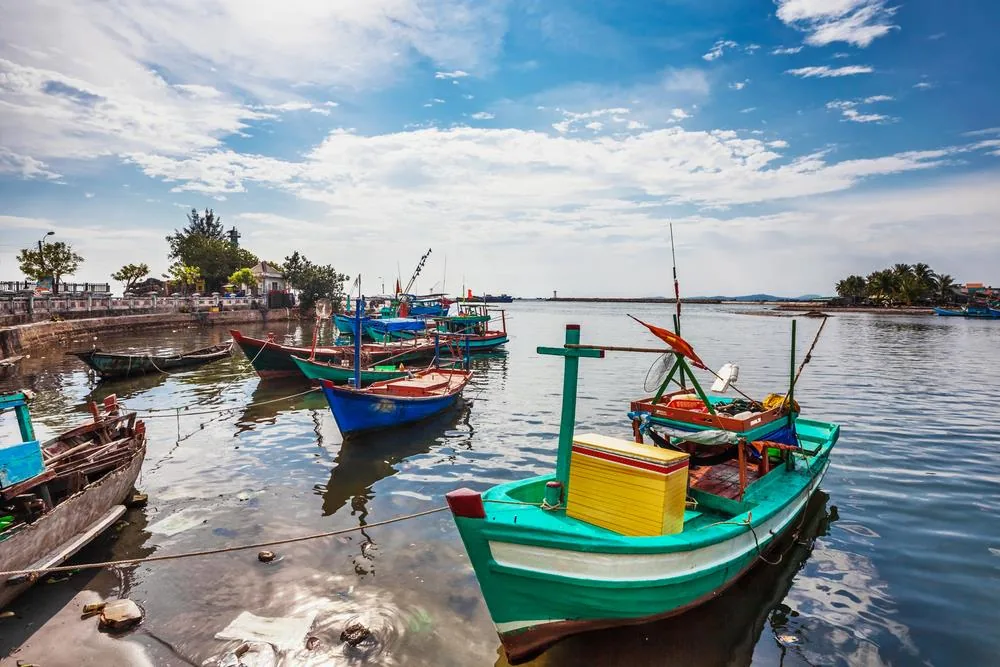
Phu Quoc is the easiest choice for travellers who want their beach stay to feel like a proper island holiday.
The island offers everything from large family resorts and international-style hotels to quieter properties surrounded by tropical vegetation. There are beaches on different parts of the island, boat trips through the An Thoi archipelago, snorkelling, seafood, night markets and excursions into Phu Quoc National Park.
The western side is particularly known for sunsets, while the south has become increasingly developed around major resort and entertainment complexes.
Phu Quoc works especially well for:
- Couples wanting several nights of uncomplicated beach relaxation
- Families wanting resort facilities and activities
- Travellers who value a large choice of accommodation
- A beach finish after Ho Chi Minh City and the Mekong Delta
- Travellers who want restaurants and excursions beyond the resort
The trade-off: modern Phu Quoc is no longer a tiny undeveloped island. Some areas are heavily resort-oriented, and travelling between different parts of the island can take longer than the map suggests.
Weather also matters. Vietnam’s official tourism website identifies November to April as the strongest dry-season period, while July to September is notably wetter and more prone to rough weather.
Read more: Phu Quoc Island Travel Guide >>
Nha Trang – Best city-and-beach combination
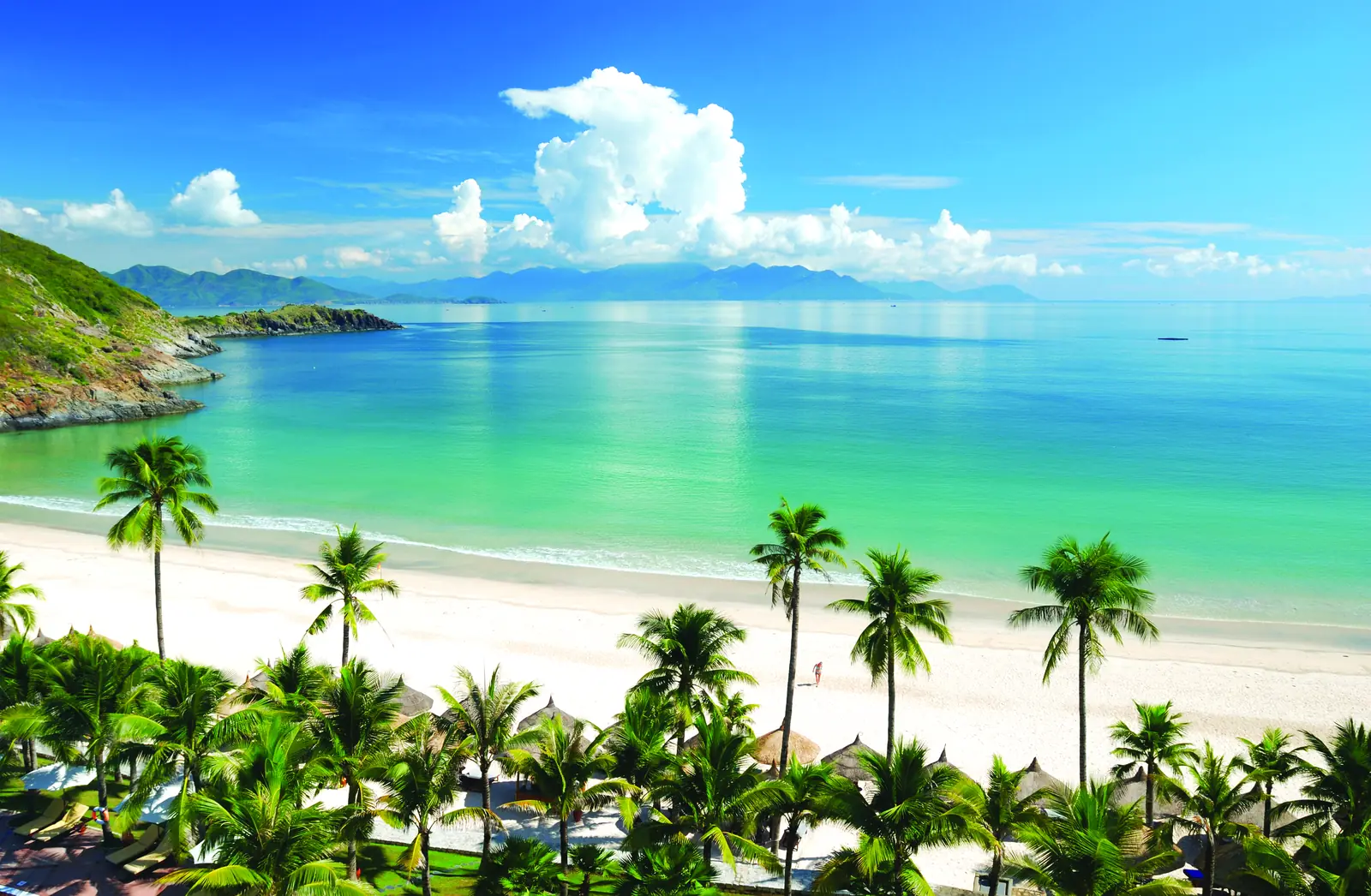
Nha Trang is fundamentally different from Phu Quoc and Con Dao because it is not a quiet island retreat. It is a lively Vietnamese coastal city with a long beachfront, restaurants, cafés, hotels, local neighbourhoods and an active evening scene.
That urban character is a strength for travellers who become restless after several days inside a resort.
Beyond the municipal beach, boat trips connect the city with islands in Nha Trang Bay. Cultural stops such as Po Nagar Cham Towers and Long Son Pagoda make it possible to break up beach days with sightseeing, while the area is also established for snorkelling, diving and mud-bath experiences.
Nha Trang works especially well for:
- Travellers who want beach time without leaving city life behind
- Couples who enjoy restaurants and nightlife
- Travellers interested in boat trips, snorkelling or diving
- Families who prefer many dining and activity options
- Journeys through Central and South-Central Vietnam
The trade-off: if your idea of a beach holiday means isolation, silence and stepping directly from a villa onto an empty beach, central Nha Trang may feel too urban.
Nha Trang’s wetter period generally falls between September and December. The central-southern coast is often particularly attractive from late winter through summer.
Cam Ranh International Airport is about 35 km from central Nha Trang, normally requiring roughly 45-60 minutes by road.
Read more: Nha Trang Travel Guide >>
Mui Ne – Best easy beach extension from Ho Chi Minh City
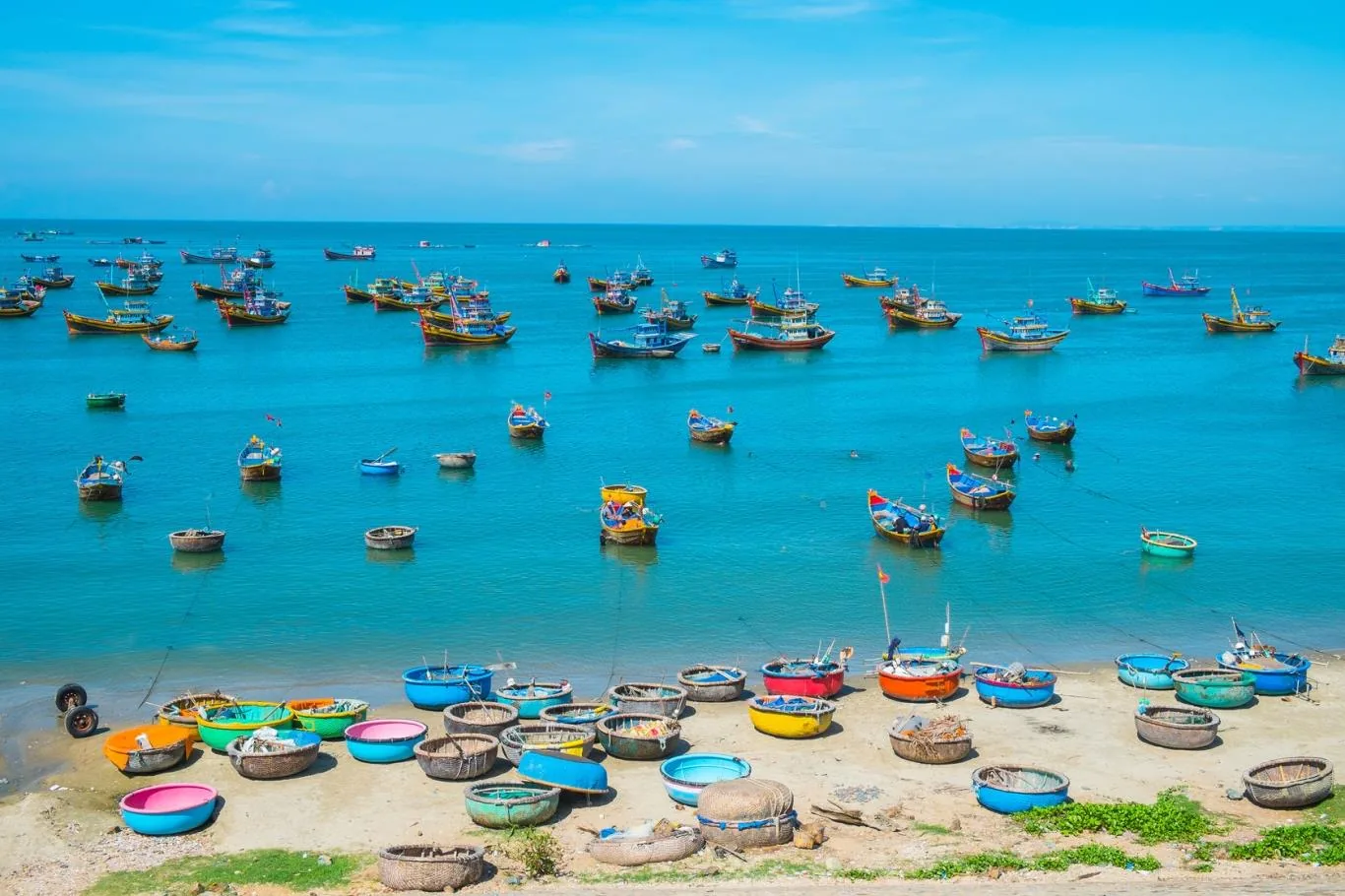
Mui Ne’s strongest advantage has changed considerably in recent years: it is now much easier to reach from Ho Chi Minh City by road.
The Dau Giay-Phan Thiet expressway has reduced the practical private-car journey from Ho Chi Minh City to around 2.5-3 hours in normal conditions, making Mui Ne a much more logical short beach extension than it was when the road journey regularly took five hours or more.
Mui Ne itself is a long coastal resort area rather than a compact town centre. Its signature landscapes are the Red and White Sand Dunes, the fishing harbour and Fairy Stream.
The local microclimate also makes the coast especially well known for wind and water sports. Vietnam Tourism highlights the period from roughly November to March or April for stronger surfing and kitesurfing conditions.
Mui Ne works especially well for:
- A 2-3 night beach extension after Ho Chi Minh City
- Travellers who prefer a private road transfer to another domestic flight
- Kitesurfing and windsurfing
- Photography around the sand dunes
- Travellers who enjoy smaller beach resorts rather than large island complexes
The trade-off: beach width and sea conditions are not identical along the entire Mui Ne coast, so hotel location matters more here than simply booking something labelled “Mui Ne beach resort”.
2026 transport update: Do not plan your trip around Phan Thiet Airport yet. The civil aviation component remains under construction in 2026 and is currently targeted for operation in 2027.
Read more: Mui Ne & Phan Thiet Travel Guide >>
Con Dao – Best for seclusion, nature and history
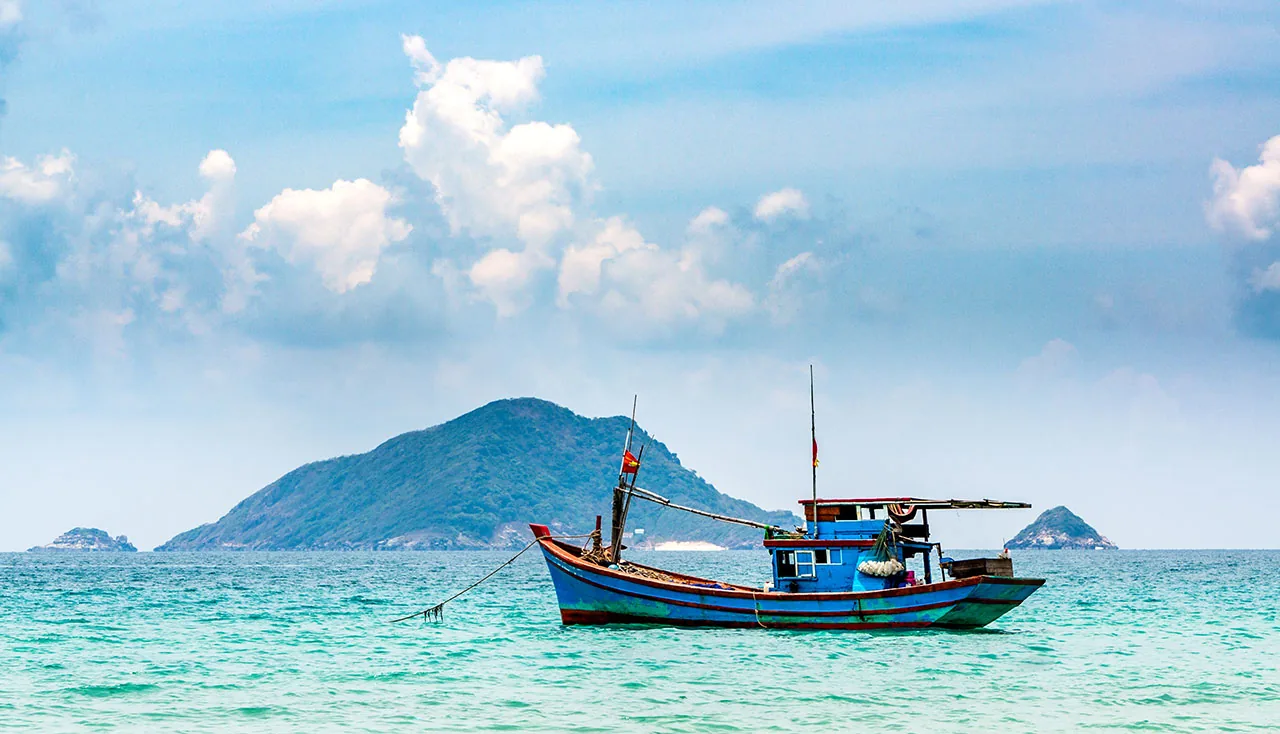
Con Dao is the least conventional beach holiday of the four.
The archipelago combines beaches and tropical forest with important historical sites connected to the former prison system. Much of the surrounding land and sea forms part of Con Dao National Park, giving the destination a stronger conservation character than Vietnam’s larger resort centres.
That combination creates a very different atmosphere: days can include a quiet beach, a forest walk or snorkelling trip, followed by historical visits that are considerably more reflective than ordinary resort sightseeing.
Con Dao works especially well for:
- Couples seeking quiet rather than nightlife
- Nature-focused travellers
- Snorkelling and diving
- Travellers interested in modern Vietnamese history
- A special 3-5 night conclusion to a longer private journey
The trade-off: Con Dao deliberately offers less. There are fewer hotels, restaurants, shops and evening activities than in Phu Quoc or Nha Trang. For the right traveller, that is exactly the attraction.
Sea conditions vary during the year. Vietnam Tourism currently highlights March to September for calmer seas and marine visibility, while strong winds can occur around December and January.
Con Dao is also one of Vietnam’s most important sea-turtle conservation areas. Organised conservation experiences typically operate during the broader nesting and hatching period from approximately April to October, with peak activity varying through the season.
Flights from Ho Chi Minh City remain the simplest option for most private itineraries. Vietnam Airlines currently lists the route at approximately 1 hour 15 minutes.
Read more: Con Dao Island Travel Guide >>
3 – Which beach is best for your travel style?
| Your priority | Best match | Why |
|---|---|---|
| Classic resort holiday | Phu Quoc | Widest resort choice and island atmosphere |
| Quiet romantic escape | Con Dao | Low-key setting and limited nightlife |
| Families with children | Phu Quoc | Large resorts and broad activity choice |
| Restaurants and nightlife | Nha Trang | Real city directly beside the beach |
| No extra domestic flight after Saigon | Mui Ne | Around 2.5-3 hours by private car via expressway |
| Kitesurfing / wind sports | Mui Ne | Vietnam’s established wind-sports destination |
| Diving and quieter marine nature | Con Dao | National park and protected marine environment |
| Diving plus city life | Nha Trang | Island trips without sacrificing urban amenities |
| History + beach | Con Dao | Former prison sites add a major historical dimension |
| Sand dunes and photography | Mui Ne | Red and White Sand Dunes |
4 – Best time to visit: weather can change the winner
Vietnam’s beaches do not share one identical season. This is one reason a good itinerary should choose the beach according to your travel month rather than choosing the beach first and hoping for good weather.
| Destination | Generally strongest period | Main weather consideration |
|---|---|---|
| Phu Quoc | November – April | July-September is notably wetter; sea and ferry conditions can deteriorate |
| Nha Trang | Late winter – August | Wetter season generally September-December |
| Mui Ne | November – April for wind sports | Dry microclimate, but stronger wind can mean choppier water |
| Con Dao | March – September for calmer sea conditions | Wind can be stronger around December-January |
Example: Phu Quoc may be the obvious choice for a January beach stay, but a traveller visiting Vietnam in July may find Nha Trang more logical. There is no single beach that wins every month of the year.
5 – How many nights should you stay?
The right length depends on how much effort it takes to reach the destination.
| Destination | Minimum worthwhile stay | Comfortable stay |
|---|---|---|
| Phu Quoc | 3 nights | 4-5 nights |
| Nha Trang | 2 nights | 3-4 nights |
| Mui Ne | 2 nights | 3 nights |
| Con Dao | 3 nights | 4-5 nights |
Phu Quoc: two nights is usually too short once airport transfers are included. Four nights gives you time for both resort relaxation and one island excursion.
Nha Trang: two nights can work inside a larger Vietnam itinerary because there is plenty to do close to the city. Three or four nights allows an island day plus genuine beach time.
Mui Ne: three nights is often ideal after Ho Chi Minh City: arrival afternoon, one full day for dunes or activities, one genuine beach day, then return.
Con Dao: because flying is normally involved, three nights should be considered the practical minimum. Four or five nights gives the island room to feel slow rather than rushed.
6 – Getting there: which beach fits your Vietnam route?
This is where many itineraries go wrong. A beach may look perfect in isolation but make little logistical sense within the rest of your trip.
Phu Quoc fits best after Ho Chi Minh City or the Mekong Delta
Phu Quoc has an international airport and domestic links with major Vietnamese cities. For most private journeys, it is particularly natural after Ho Chi Minh City or a Mekong Delta section.
The airport is close to the central western part of the island, but transfer time to your resort varies considerably depending on whether you stay around Duong Dong, the north or the southern resort area.
Nha Trang fits naturally into Central and South-Central Vietnam
Nha Trang works well after Hoi An, Da Nang, Ninh Thuan or Dalat, depending on the route.
Cam Ranh Airport is approximately 35 km south of central Nha Trang, so remember that a “one-hour flight” still comes with airport transfers at both ends.
Mui Ne fits best after Ho Chi Minh City
This is now one of Mui Ne’s strongest selling points.
A private vehicle can normally reach the Phan Thiet-Mui Ne area from Ho Chi Minh City in approximately 2.5-3 hours using the expressway, depending on where you start and traffic conditions.
For travellers who have already taken several domestic flights during a North-to-South journey, avoiding another airport can be surprisingly valuable.
See one example in our Vietnam from the Mountain to the Sea itinerary.
Con Dao fits best as a deliberate final destination
Con Dao is not a place we would normally insert casually between two busy sightseeing stops.
It works better as a deliberate final chapter after Ho Chi Minh City, the Mekong or another southern Vietnam section, with enough nights to justify the flights.
Our Exceptional Journey to Vietnam provides one example of using Con Dao as the final beach stay of a longer cultural journey.
7 – Which beach is best for couples and mature travellers?
For our typical private-tour clients, comfort is not only about hotel category. The number of transfers, walking distances, airport procedures and how much choice exists outside the resort can matter just as much.
For couples wanting a polished resort stay: Phu Quoc
Phu Quoc offers the broadest choice of higher-category resorts and is the easiest destination to match to a preferred room type, beach style and level of service.
For travellers who like convenience outside the hotel: Nha Trang
Restaurants, cafés, shops and sightseeing are readily available. This is useful for travellers who enjoy independence rather than remaining inside one resort for several days.
For travellers who dislike airports: Mui Ne
After a long Vietnam journey with two or three internal flights, being met at your Ho Chi Minh City hotel and driven directly to the beach can be far less tiring than another airport sequence.
For quiet couples and repeat visitors: Con Dao
Con Dao works particularly well for travellers who have already seen Vietnam’s main highlights and genuinely want several quiet days surrounded by nature.
Its history also gives the island far more depth than a conventional resort destination, although travellers should understand that visits to former prison sites can be emotionally intense.
Our advice for a 14-21 day Vietnam journey: the best beach is usually the one that gives you three or four genuinely restful nights with the least unnecessary transport. Do not add Phu Quoc or Con Dao simply because they look more exotic on a map.
8 – FAQ: Phu Quoc vs Nha Trang vs Mui Ne vs Con Dao
Which has the best beaches: Phu Quoc or Nha Trang?
Phu Quoc is generally the stronger choice for a classic tropical island and resort holiday. Nha Trang is better if you want the beach combined with a lively city, restaurants, nightlife and easy sightseeing.
The answer can reverse depending on season: Nha Trang often has favourable beach weather during months when Phu Quoc is experiencing its wetter period.
Phu Quoc or Con Dao for couples?
Choose Phu Quoc if you want more resort choice, restaurants and activities.
Choose Con Dao if you value quiet, nature and seclusion more than entertainment.
Which destination is best for families?
Phu Quoc is the easiest overall recommendation for most families because it offers the largest range of family-oriented resorts and organised attractions.
Nha Trang is a good alternative for families who prefer staying in a city and having many restaurants and activities nearby.
Which has the best nightlife?
Nha Trang is the clear winner if nightlife is important. It is a real coastal city with bars, restaurants and late-evening activity.
Phu Quoc has evening options around its main tourism areas, but nightlife varies considerably by where you stay. Mui Ne is lower-key, while Con Dao is the least nightlife-oriented of the four.
Is Mui Ne still worth visiting now that Phu Quoc is so developed?
Yes, but for different reasons.
Mui Ne is particularly useful if you are already in Ho Chi Minh City, want to avoid another flight, enjoy sand dunes or wind sports, and only have two or three nights available.
Phu Quoc is the stronger choice if the beach stay itself is intended to be a major resort component of the holiday.
Does Mui Ne have an airport in 2026?
No commercial Phan Thiet Airport is operating for ordinary passengers as of September 2026. The civil aviation facilities are under construction, with operation currently targeted for 2027.
For most travellers, a private road transfer from Ho Chi Minh City remains the simplest solution.
How long should I stay in Con Dao?
Allow at least three nights. Four or five is better if you want history, nature and genuine beach relaxation without filling every day with activities.
When is turtle season in Con Dao?
Sea-turtle conservation activities broadly correspond with the nesting and hatching period from approximately April to October, although different parts of the reproductive cycle peak at different times. June to August is particularly associated with active nesting, while hatchlings can be seen later in the season.
Visits should always be made through authorised conservation programmes and according to national park rules.
Which one should I add to a two-week Vietnam itinerary?
If your two-week itinerary already includes Hanoi, Ha Long Bay, Central Vietnam and Ho Chi Minh City, do not automatically add another flight just to reach an island.
Depending on the season and route, Mui Ne may be the easiest two- or three-night extension, while Phu Quoc makes more sense if you are willing to dedicate three or four full nights to the beach.
For more trip-length advice, see How Many Days Do You Need in Vietnam?
9 – Our verdict: which Vietnam beach should you choose?
There is no universal winner because these four beaches solve four different travel problems.
- Phu Quoc: best all-round island resort choice.
- Nha Trang: best city + beach combination.
- Mui Ne: best easy road extension from Ho Chi Minh City.
- Con Dao: best for quiet nature, history and a more secluded finish.
The more useful question is:
Which beach gives you the experience you want during your travel month without damaging the rhythm of the rest of your Vietnam journey?
A January trip finishing in the Mekong may naturally lead to Phu Quoc.
A July journey through Central Vietnam may make Nha Trang much more logical.
A couple finishing a long North-to-South trip in Saigon may value the simplicity of a private drive to Mui Ne.
And travellers who have four or five nights available and actively want silence may find Con Dao worth the extra flight.
This is exactly the kind of decision we make when designing a tailor-made Vietnam journey.
How we choose the right beach for you
- We start with your exact travel dates. Weather comes before the postcard.
- We look at your route immediately before and after the beach. This prevents unnecessary flights and backtracking.
- We match the destination to your preferred atmosphere. Resort, city, active coast or quiet island.
- We then choose the hotel and beach area. Location within the destination can matter as much as the destination itself.
You do not need to decide between Phu Quoc, Nha Trang, Mui Ne and Con Dao before contacting us.
Tell us your dates, trip length and what you expect from the beach section, and our Hanoi-based team can fit the most sensible option into the rest of your private Vietnam itinerary.
Travel Guide
What clients say about us