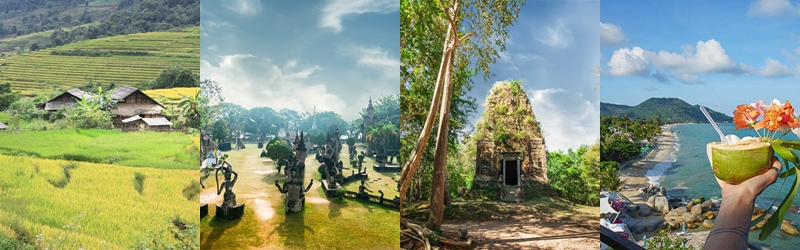
For most first-time travellers to Southeast Asia, Vietnam and Thailand are the easiest countries to choose between. Vietnam is the stronger all-round choice if you want culture, landscapes, food and local life in one journey, while Thailand is particularly appealing if beaches, islands and easy travel logistics are your priorities.
Cambodia is the natural choice if Angkor and Khmer history are at the heart of your trip. Laos suits travellers who prefer a slower journey built around rivers, mountains, Buddhist heritage and smaller towns. Myanmar, meanwhile, has to be considered separately in 2026 because of the current security situation.
So which country should you actually visit? The answer depends less on which destination has the longest list of attractions and more on your travel dates, available time, interests and preferred pace.
Tonkin Voyage Travel, a local Southeast Asia travel specialist based in Hanoi, compares Vietnam, Cambodia, Laos, Thailand and Myanmar below to help you choose the destination — or combination of destinations — that genuinely fits your journey.
1 – Quick answer: which Southeast Asian country should you visit?
If you are struggling to choose between Vietnam, Thailand, Cambodia and Laos, start with the kind of journey you actually want rather than with a checklist of famous places.
| Country | Best for | Suggested time | Travel rhythm | Main strength |
|---|---|---|---|---|
| Vietnam | First-time visitors wanting variety | 10-14 days | Moderate | Culture + scenery + food + local life |
| Thailand | Beaches, islands and easy first trips | 10-14 days | Easy to flexible | Travel infrastructure + beaches |
| Cambodia | Angkor and Khmer history | 5-8 days | Comfortable | Archaeological heritage |
| Laos | Slow travel and quieter experiences | 7-10 days | Relaxed | Atmosphere + landscapes + Buddhist heritage |
| Myanmar | Historically a major cultural destination | — | — | Exceptional heritage, but current security concerns |
Choose Vietnam if you want the broadest range of experiences within one country.
Choose Thailand if beaches, islands and straightforward logistics are your main priorities.
Choose Cambodia if Angkor, archaeology and Khmer history are the main reasons for your journey.
Choose Laos if you would rather travel slowly than collect famous landmarks.
And if you have two or three weeks, you may not need to choose just one country.
Expert Tip: More countries do not automatically create a better holiday. Every flight, border crossing and hotel change consumes part of your trip. For a comfortable private journey, experiencing two countries properly is often more rewarding than rushing through four.
2 – Vietnam, Thailand, Cambodia or Laos: which fits your travel style?
Vietnam – Best all-round destination

Vietnam offers perhaps the broadest range of experiences within a single Southeast Asian journey.
A trip can begin among Hanoi’s historic neighbourhoods and street life, continue through the limestone landscapes of Ha Long Bay or Ninh Binh, pass through the imperial heritage of Hue and the old trading streets of Hoi An, and finish amid the energy of Ho Chi Minh City and the waterways of the Mekong Delta.
Its cultural identity also changes noticeably from region to region. Chinese influence, indigenous traditions, Buddhist and Confucian heritage, former royal capitals and the legacy of the French colonial period have all left visible traces.
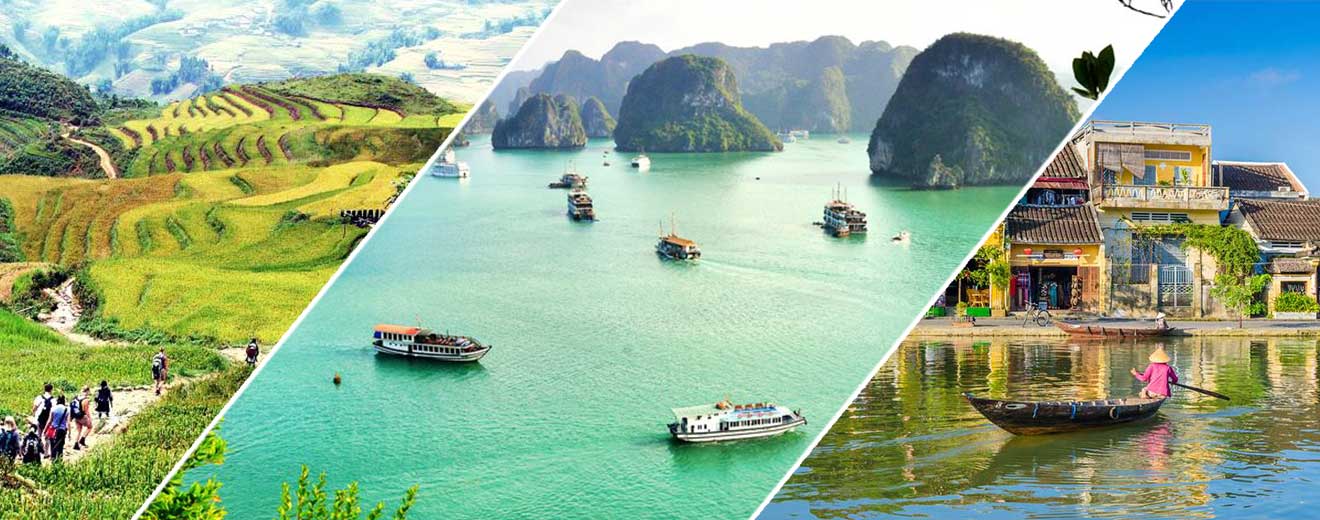
The landscapes are equally varied. Northern Vietnam brings karst mountains, rice terraces and highland valleys; Central Vietnam combines historic towns, beaches and national parks; the south becomes increasingly tropical as the journey approaches the Mekong Delta.
This diversity makes Vietnam especially suitable for travellers who want several different experiences without crossing an international border.
Vietnam is particularly good for:
- First trips to Southeast Asia
- Culture and history
- Couples looking for scenery and local experiences
- Mature travellers who prefer a carefully paced private itinerary
- Food-focused journeys
- Photography
- Trips of two weeks or longer
- Combining with Cambodia or Laos
The main planning challenge is distance. Vietnam stretches a long way from north to south, so a poorly designed itinerary can become a succession of airports, road transfers and one-night hotel stays.
For most first-time travellers, 10 to 14 days is the most useful starting point.
For a more detailed breakdown, see our guide How Many Days Do You Need in Vietnam?
Thailand – Best for beaches and easy logistics
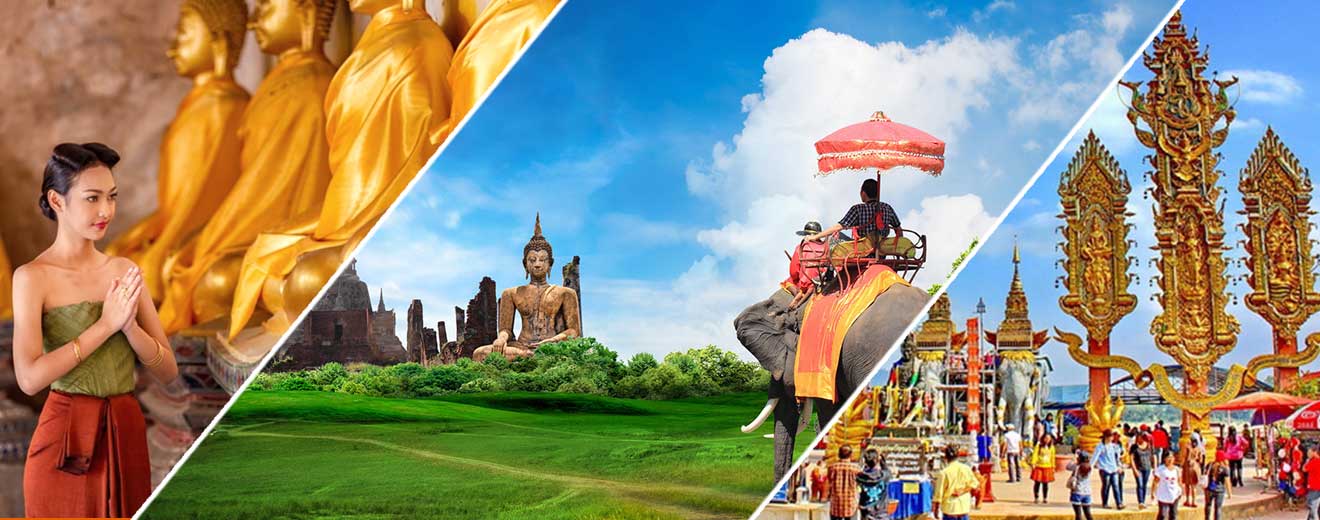
Thailand remains one of Southeast Asia’s easiest destinations for international travellers to navigate.
Bangkok combines historic temples, markets, food and contemporary city life. Further north, Chiang Mai and the surrounding region offer temples, mountains and a very different atmosphere from the capital.
For travellers interested in history, former royal capitals such as Ayutthaya and Sukhothai add another layer to the journey.
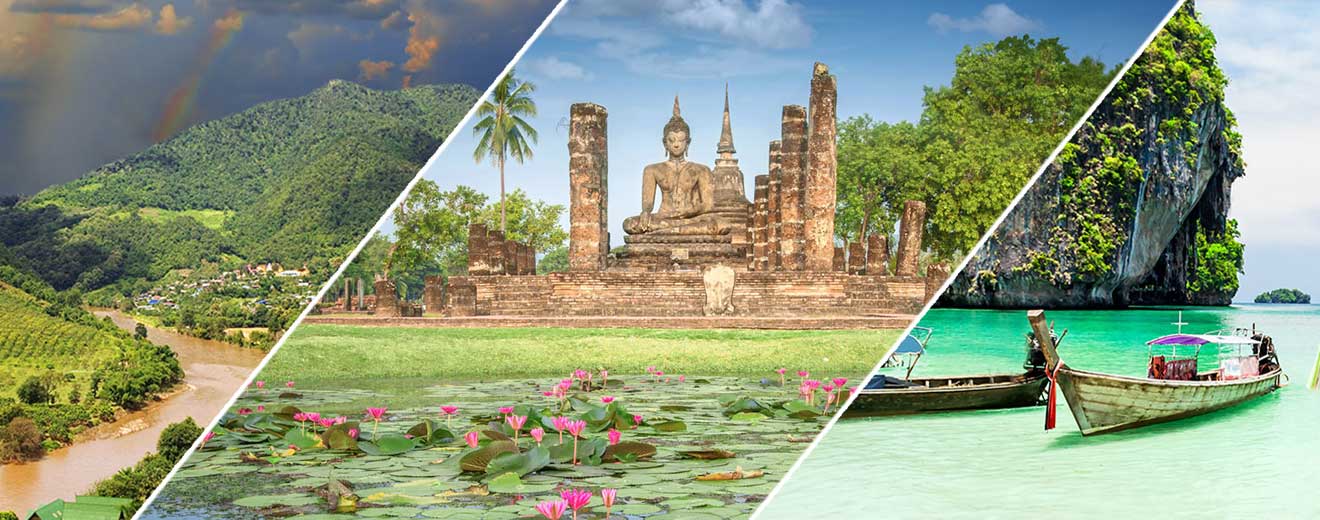
The south then opens onto an enormous choice of islands and coastal destinations on both the Andaman Sea and Gulf of Thailand.
Thailand therefore works particularly well when beach time is an essential part of the holiday rather than simply an optional extension.
Thailand is particularly good for:
- First-time travellers to Asia
- Beach and island holidays
- Couples combining touring with resort time
- Families
- Food-focused trips
- Travellers who value straightforward logistics
- Thailand + Laos journeys
Its greatest advantage is convenience. Domestic flights, road connections, hotels and tourism services are extensive.
The trade-off is that many famous places can feel busy, so travellers looking for a quieter journey need to choose their route and accommodation more selectively.
Cambodia – Best for Angkor and Khmer history
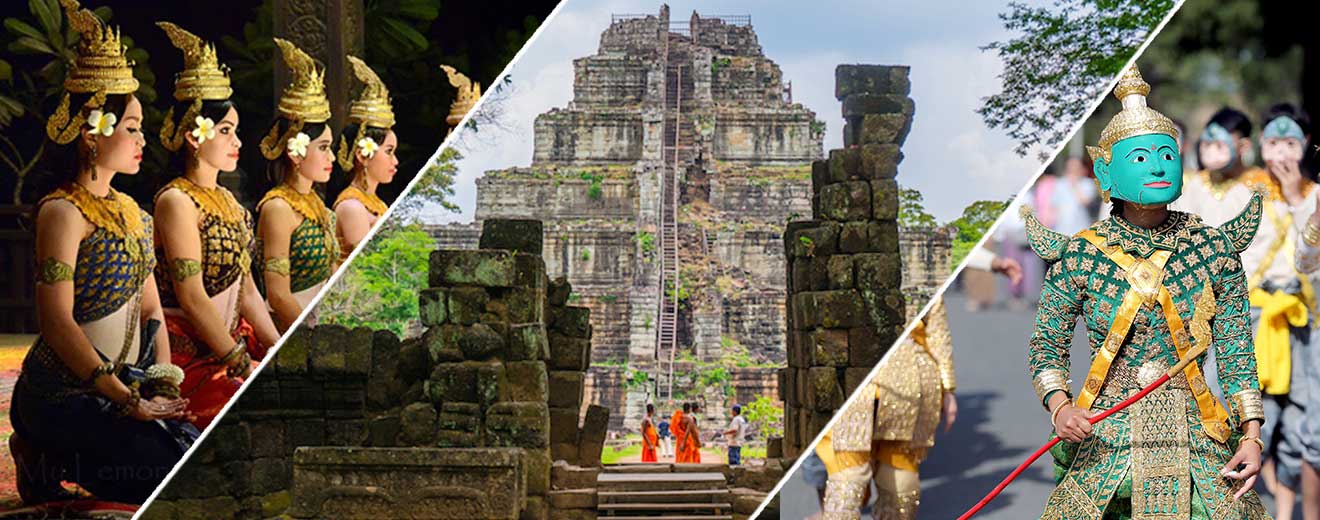
For many visitors, Cambodia begins with one extraordinary place: Angkor.
The temple complexes around Siem Reap represent one of Southeast Asia’s greatest archaeological landscapes, but a well-designed Cambodian journey should not end at Angkor Wat.
Phnom Penh provides a broader understanding of the country’s royal, colonial and modern history. Travellers with additional time can also consider Battambang, Tonlé Sap, Kampot, Kep or rural areas away from the most visited route.
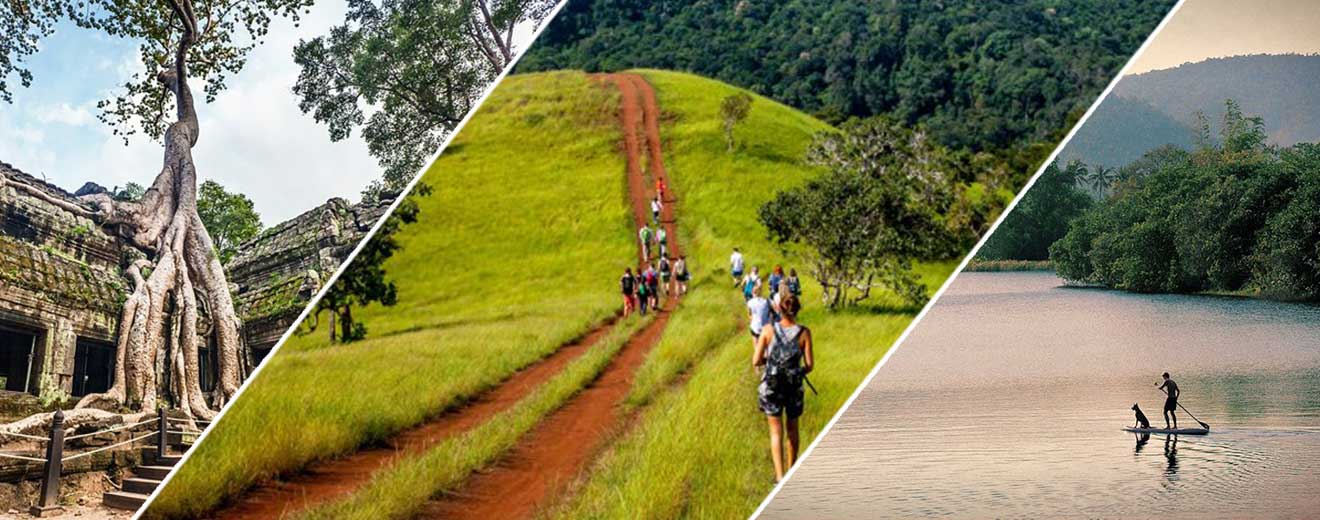
Beyond its monuments, Cambodia is shaped by the Mekong, the immense Tonlé Sap lake, agricultural plains, forested areas in the east and a short southern coastline.
Cambodia is especially useful in a multi-country itinerary because an important first visit does not necessarily require two full weeks.
Cambodia is particularly good for:
- Angkor and Khmer history
- Archaeology and architecture
- Photography
- Travellers with 5-8 days available
- Vietnam + Cambodia journeys
- Travellers who prefer fewer bases and longer stays
For a first visit, allowing several nights around Siem Reap is usually much more rewarding than treating Angkor as a rushed one-day stop.
See our Essence of Vietnam & Cambodia journey for one way of combining the two countries.
Laos – Best for slow travel
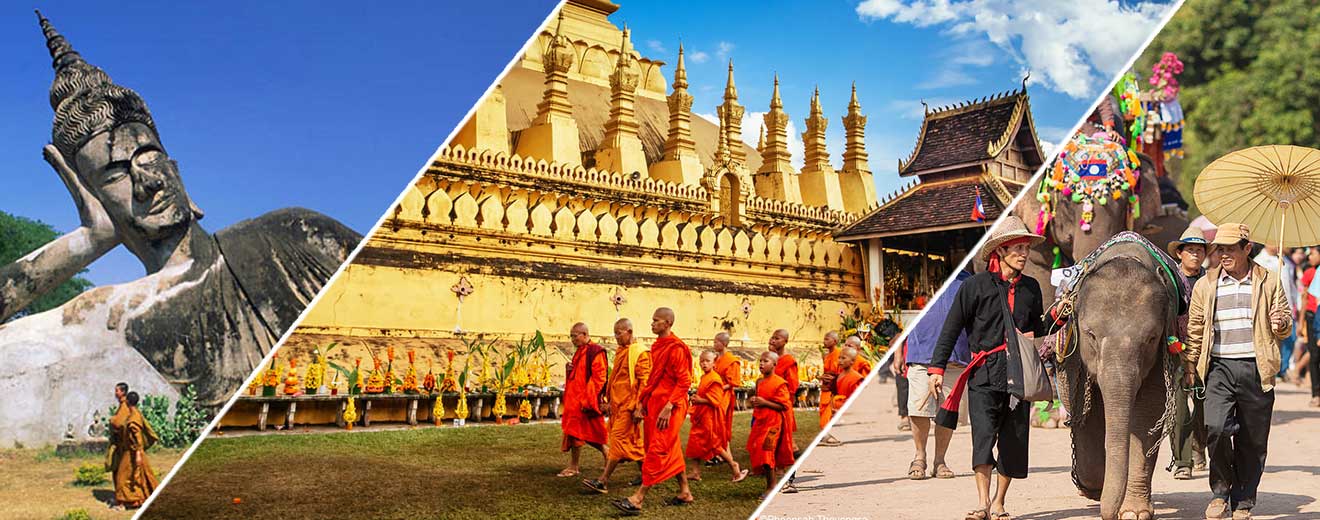
Laos offers something quite different from its neighbours.
There are fewer major headline attractions than in Thailand or Vietnam, and for many travellers that is precisely the appeal.
Luang Prabang combines historic architecture, Buddhist traditions and a relaxed riverside setting. Beyond the town are mountains, waterfalls, villages and landscapes closely connected to the Mekong.
Further south, Champasak and the 4,000 Islands introduce another side of the country and an even slower river-based rhythm.
Laos is particularly good for:
- Slow travel
- Couples looking for a quieter journey
- Nature and mountain scenery
- Buddhist heritage
- Mekong journeys
- Travellers who dislike intensive sightseeing schedules
- Combining with Vietnam or Thailand
The most important rule when planning Laos is not to overschedule it.
A Laos itinerary works best when the journey itself is part of the experience. Packing too many towns into too few days removes much of what makes the country appealing.
Allow around 7-10 days for a meaningful first visit, or longer if Laos is intended to provide a slower section within a multi-country trip.
What about Myanmar in 2026?
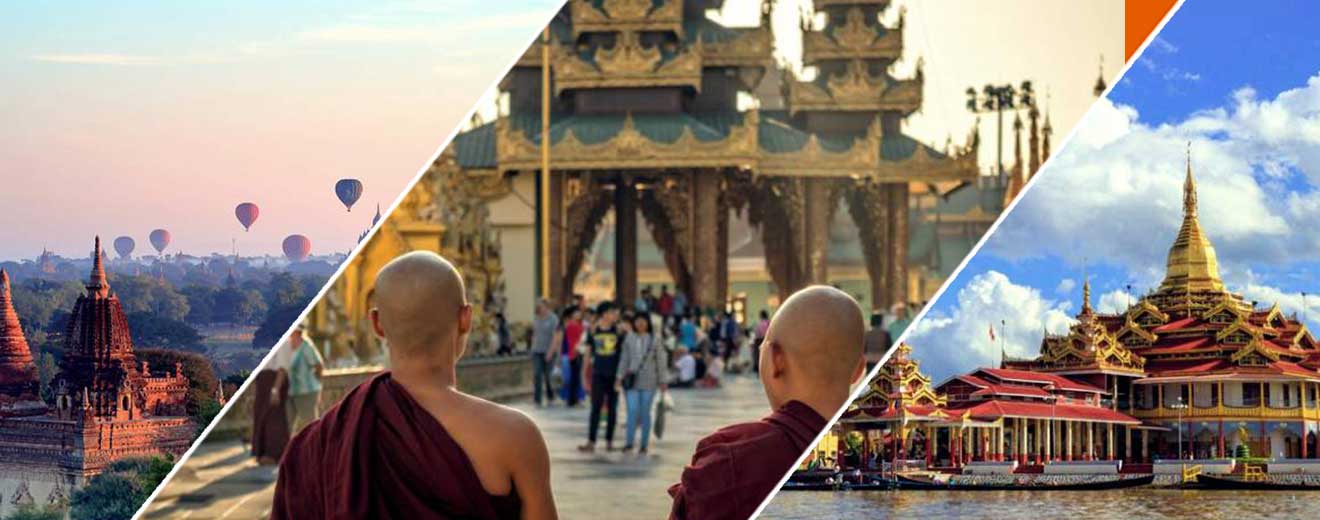
Myanmar deserves a separate answer rather than another conventional destination comparison.
Bagan, Mandalay, Yangon, Inle Lake and the country’s Buddhist and architectural heritage have long made Myanmar one of Southeast Asia’s most culturally significant destinations.
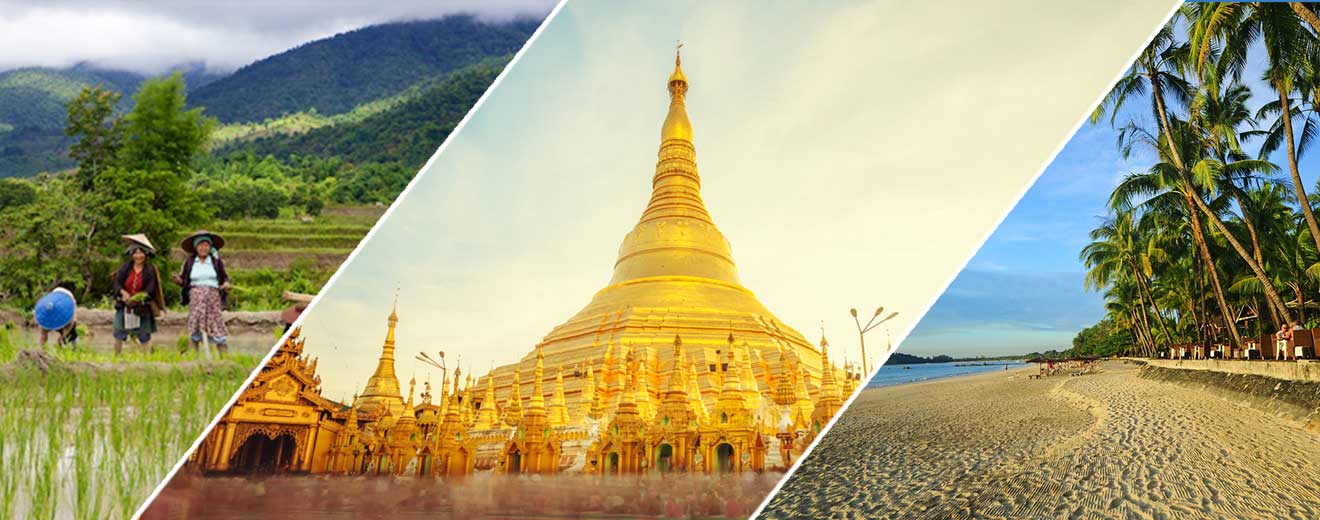
The country also encompasses an extraordinary range of landscapes, from the plains around Bagan and the waters of Inle Lake to mountains, river valleys and coastline.
However, travel planning in 2026 is dominated by the security situation rather than by normal questions of sightseeing, climate or itinerary length.
Important travel note: As of September 2026, Australia’s Smartraveller continues to advise travellers not to travel to Myanmar because of the dangerous security situation, civil unrest and armed conflict.
For this reason, we would not place Myanmar alongside Vietnam, Cambodia, Laos and Thailand as a routine leisure recommendation in 2026.
Anyone considering Myanmar should first consult the latest advice issued by their own government and check whether their travel insurance would remain valid.
Official reference: Myanmar Travel Advice – Smartraveller.
3 – Culture, people and food: how do the countries actually feel different?
Temples and landscapes are only part of the decision. The rhythm of daily life, food and cultural encounters often determine how a destination actually feels once you are there.
Vietnam – Energetic, regional and constantly changing
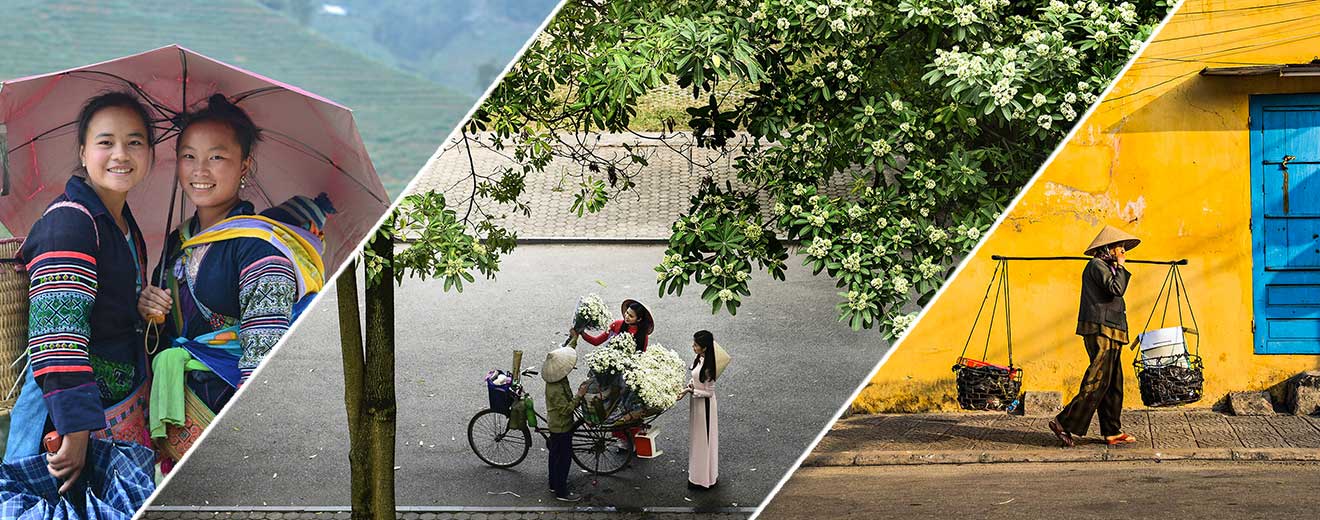
Vietnam often feels energetic and highly regional. Hanoi is different from Hue, Hoi An feels different again, and the Mekong Delta has its own landscape and rhythm.
The country officially recognises 54 ethnic groups, adding further cultural diversity in northern and central highland regions.
For travellers, much of the appeal comes from watching ordinary life unfold: neighbourhood markets, family businesses, street-side meals, temples, agricultural landscapes and the constant movement between tradition and modern urban life.
Cambodia – Khmer identity beyond Angkor
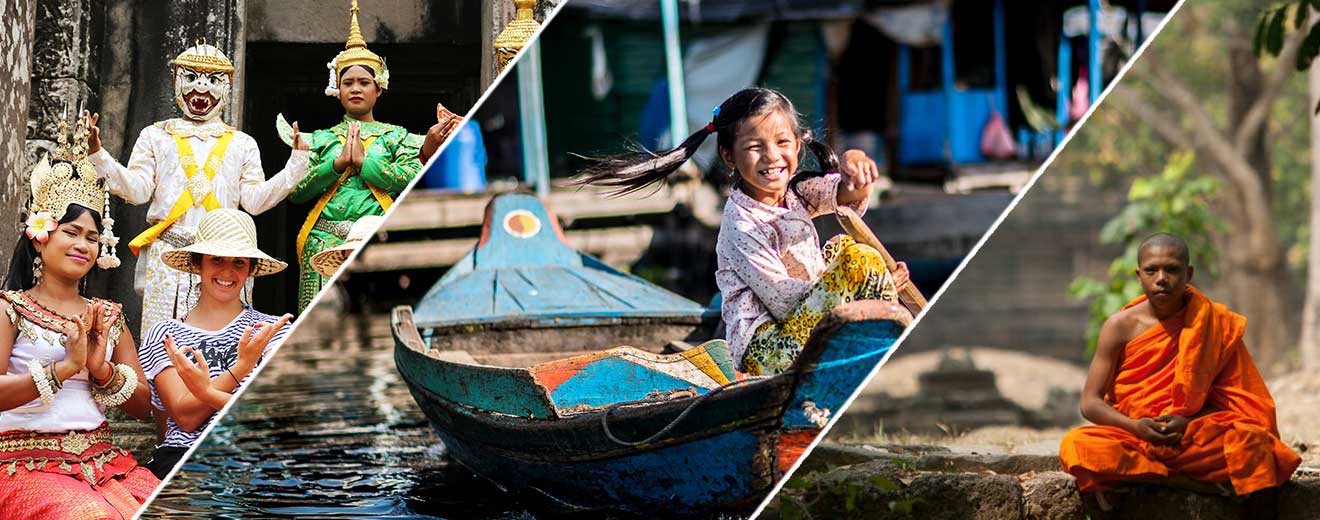
Cambodian culture should not be reduced to archaeological monuments.
Theravada Buddhism remains highly visible in everyday life, while classical dance, music, craft traditions, markets and contemporary Cambodian society add context to the monumental achievements of the Khmer Empire.
When visiting religious sites, modest clothing covering shoulders and knees is appropriate. More broadly, travelling outside the main archaeological circuit gives a much better sense of modern Cambodia than Angkor alone can provide.
Laos – A quieter rhythm
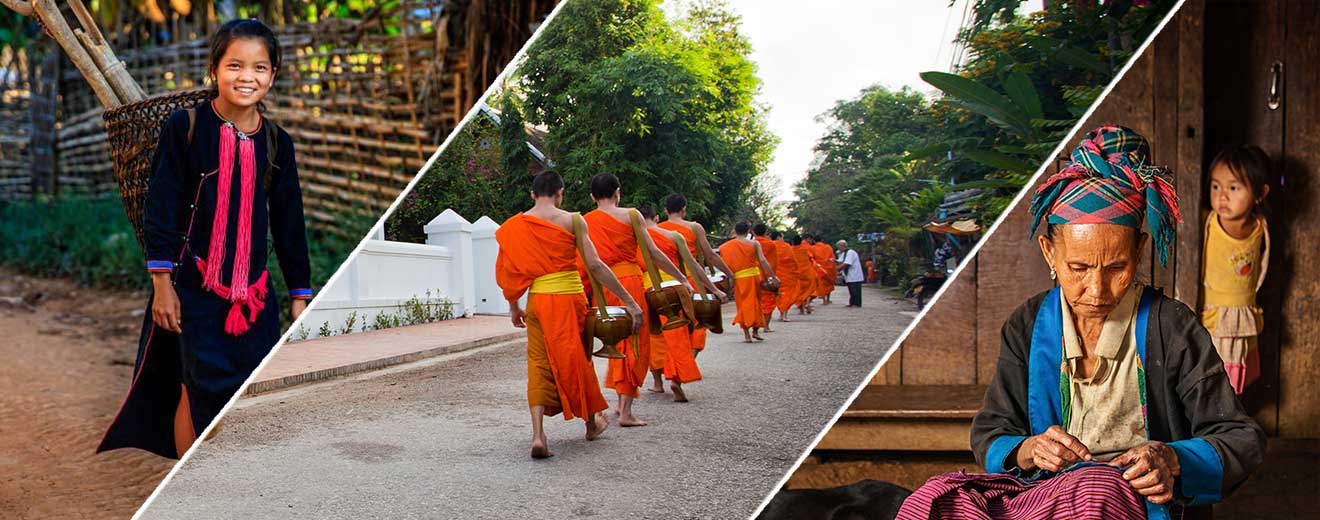
The most noticeable difference in Laos is often the rhythm of the journey itself.
Buddhist temples remain important parts of community life, particularly in places such as Luang Prabang, while agriculture, handicrafts and village life remain visible outside the larger towns.
Travellers who enjoy free time, cafés, river views, markets and unhurried exploration often respond particularly well to Laos. Those who need a major landmark every few hours may find it less immediately dramatic than Cambodia or Vietnam.
Thailand – Tradition alongside highly developed tourism
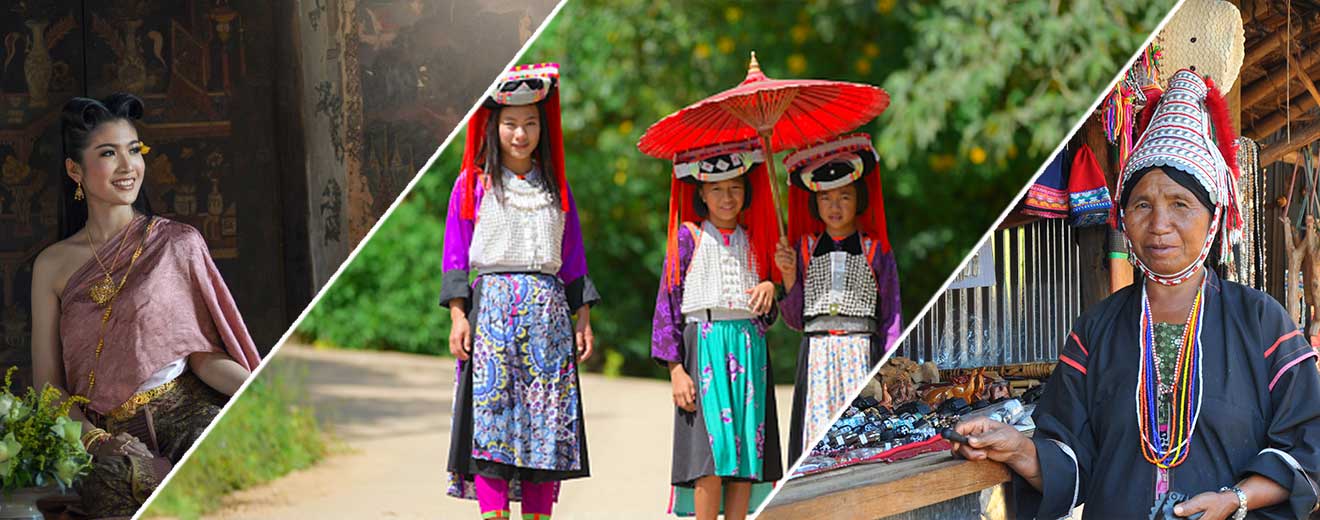
Thailand combines a highly developed visitor economy with a strong and visible cultural identity.
Buddhist temples, the monarchy, local festivals, regional food traditions and conventions around courtesy remain important parts of daily life even in destinations that receive large numbers of visitors.
For first-time travellers, that combination can be reassuring: the journey can feel culturally distinct without making basic transport, accommodation and tourism services particularly difficult to organise.
Which country is best for food?
Food alone can justify choosing one itinerary over another, and the four countries offer very different culinary experiences.
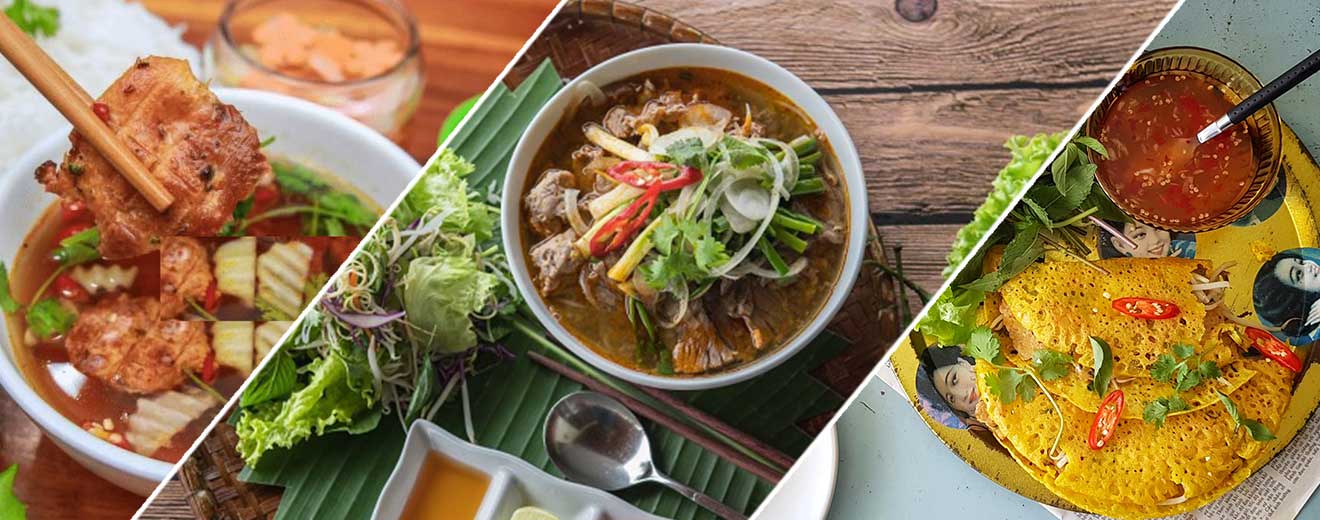
Vietnam offers exceptional regional variety. Northern dishes are often comparatively restrained and aromatic; Central Vietnam has its own imperial and local traditions; Southern cooking makes greater use of tropical ingredients and sweeter flavours. Pho, bun cha, fresh rolls and banh mi are only the beginning of the country’s culinary repertoire.
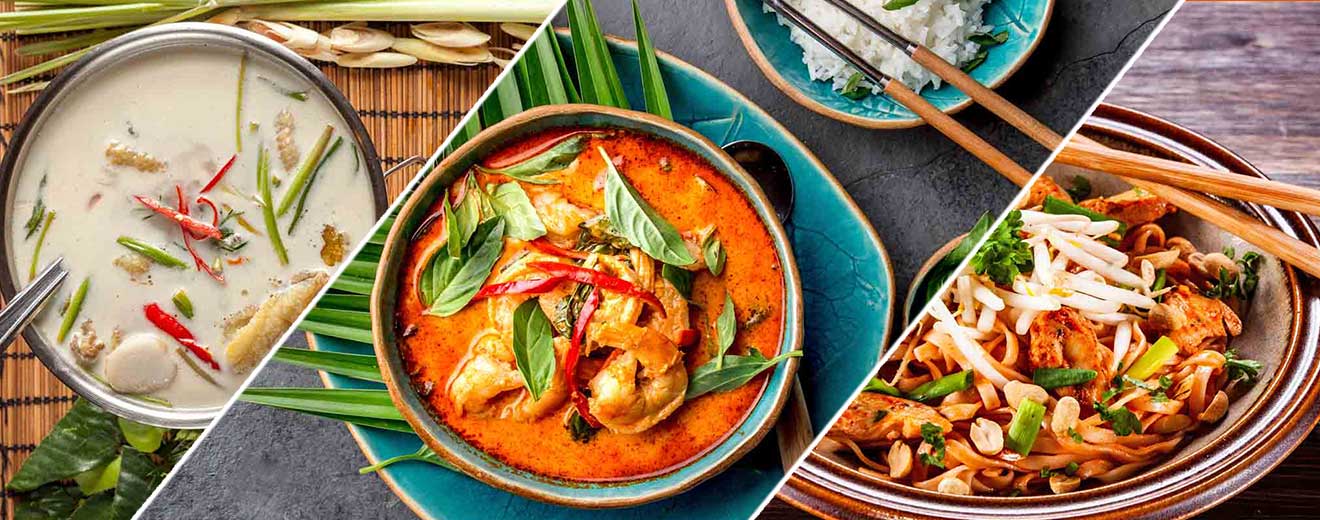
Thailand is particularly appealing to travellers who enjoy aromatic herbs, chilli, curries, grilled foods, soups and a highly developed street-food culture. Pad Thai may be the internationally famous dish, but regional Thai cooking offers far more variety than a first-time visitor may expect.
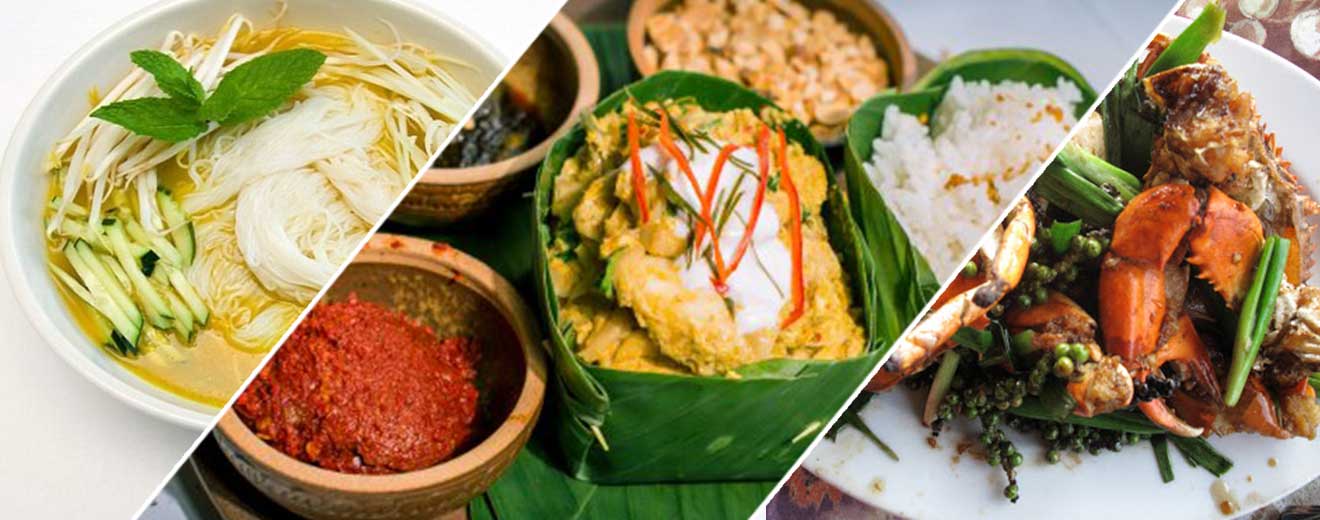
Cambodian cuisine receives less international attention, but dishes such as fish amok and beef lok lak are only part of a food culture shaped by rice, freshwater fish, herbs, fermented ingredients and regional influences. Kampot pepper and seafood from the southern coast provide another distinctive dimension.
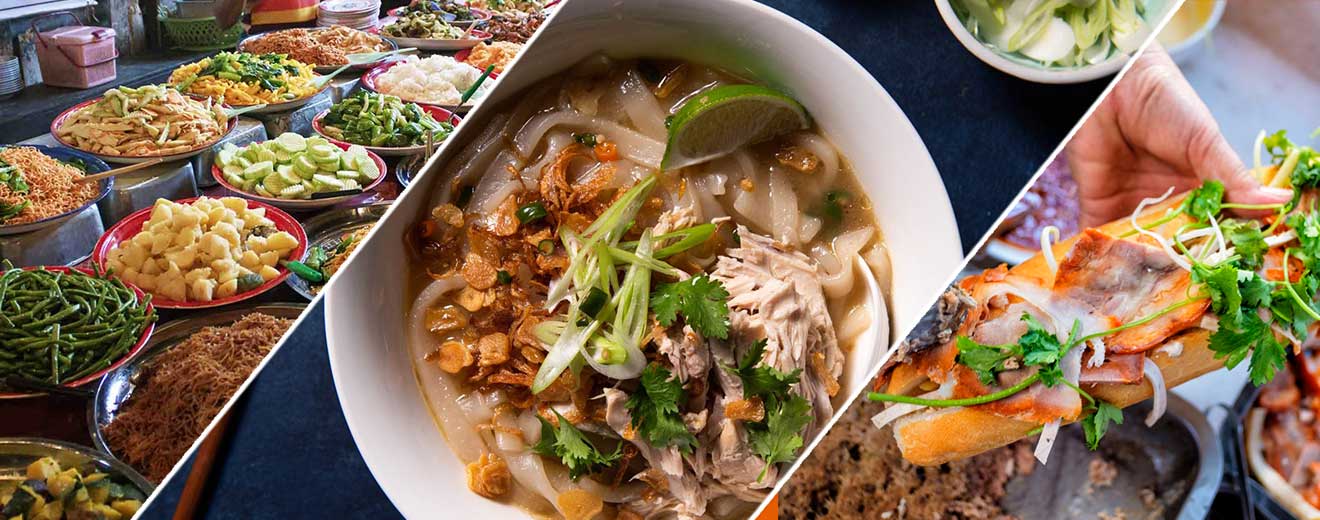
Lao cuisine is closely associated with sticky rice, fresh herbs, grilled foods, vegetables and dishes such as laap. It shares ingredients with neighbouring countries while retaining a strong identity of its own.
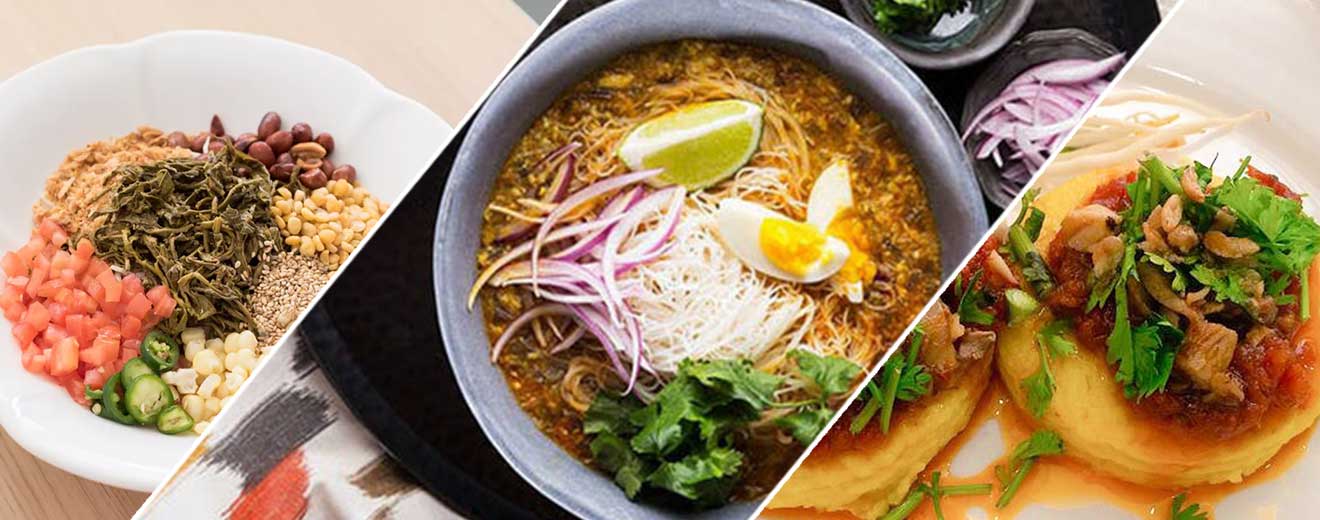
Myanmar’s cuisine reflects influences from South Asia, China and neighbouring Southeast Asian cuisines. Well-known dishes include mohinga, Shan noodles and tea-leaf salad. Today, however, culinary interest is secondary to the much larger question of whether travel to Myanmar is appropriate at all under current conditions.
For travellers who place food near the top of their priorities, Vietnam and Thailand are the two easiest standalone choices, while combining the countries produces even greater variety.
4 – How many days do you need in each country?
The amount of time you have may answer the destination question more clearly than any ranking.
| Available time | Recommended approach |
|---|---|
| 5-7 days | Cambodia, Laos, or one focused region of Vietnam or Thailand |
| 8-10 days | One country; Vietnam or Thailand with selective routing |
| 12-14 days | Vietnam or Thailand in depth |
| 14-18 days | Vietnam + Cambodia, or Thailand + Laos |
| 18-24 days | Vietnam + Cambodia + Laos at a sensible pace |
| 3-4 weeks | Three countries comfortably, or four with carefully selected stops |
If you have one week
Do not attempt a grand tour of mainland Southeast Asia.
Cambodia works particularly well because Siem Reap and Phnom Penh can form a coherent first journey. Laos can also work if you concentrate on Luang Prabang and one additional area.
In Vietnam or Thailand, choose a region rather than trying to cross the entire country.
If you have 8-10 days
At this length, one country still makes the most sense for most travellers.
Vietnam can work if you concentrate on the north and centre, or another carefully selected combination of regions. Thailand can combine Bangkok with Chiang Mai or Bangkok with a beach destination.
Cambodia and Laos allow an even more relaxed rhythm at this duration.
If you have two weeks
Two weeks is an excellent amount of time for a substantial journey through Vietnam or Thailand.
It is also possible to combine two countries, particularly Vietnam and Cambodia, but the route should remain selective.
If this is your first visit and you dislike constant packing, one well-designed country can still feel more satisfying than two rushed ones.
If you have around three weeks
This is where multi-country travel becomes much more attractive.
A strong sequence is Vietnam → Cambodia → Laos.
Vietnam provides the greatest variety, Cambodia gives the journey a concentrated historical highlight around Angkor, and Laos allows the pace to slow towards the end.
Our Indochina Odyssey offers one example of how these countries can be connected.
If you have four weeks or more
With a month, you can think about three countries in depth or four countries selectively.
Even then, resist the temptation to visit a new city every one or two nights.
For couples and mature travellers in particular, two- and three-night stays usually create a much better journey than constant packing and unpacking.
5 – The best multi-country combinations
Vietnam + Cambodia
Best for: First-time visitors, history, food and varied scenery
Recommended: Around 14-18 days or more
Vietnam and Cambodia are one of the strongest first multi-country combinations in Southeast Asia.
A journey can combine Hanoi, Ha Long Bay or Ninh Binh, Central Vietnam and Ho Chi Minh City before continuing to Siem Reap.
The contrast works particularly well. Vietnam supplies regional variety, landscapes and food, while Cambodia provides a concentrated cultural high point around Angkor and Khmer heritage.
See Essence of Vietnam & Cambodia >>
Vietnam + Laos
Best for: Culture, landscapes and slower travel
Recommended: Around 16-20 days
Vietnam and Laos complement one another rather than repeating the same experience.
After the energy and geographical variety of Vietnam, Luang Prabang and the Mekong provide a noticeable change of rhythm.
Thailand + Laos
Best for: Easy logistics followed by quieter travel
Recommended: Around 14-18 days
Thailand provides Bangkok, extensive tourism infrastructure and, if desired, beach time. Laos then offers a quieter journey based around Buddhist heritage, mountains and the Mekong.
This combination can work particularly well for first-time travellers who want the trip to become progressively slower rather than more intensive.
Vietnam + Cambodia + Laos
Best for: A substantial Indochina journey
Recommended: Around 18-24 days for a comfortable pace
These neighbouring countries work particularly well when the itinerary is designed as a progression rather than as a checklist.
Vietnam provides diversity, Cambodia adds the monumental Khmer heritage of Angkor, and Laos changes the rhythm with smaller towns, Buddhist traditions and river landscapes.
Vietnam + Cambodia + Laos + Thailand
With around three weeks or more, it is possible to combine all four countries, but the route needs careful planning.
Every additional country creates another flight, border procedure or major transfer, so a four-country journey should concentrate on the strongest experiences rather than attempt to cover every famous destination.
See our Vietnam, Cambodia, Laos & Thailand journey for one example of how the region can be connected.
Thailand + Cambodia – Important 2026 border note
Thailand and Cambodia can still form part of the same Southeast Asian trip, but route planning requires extra care in 2026.
Current border situation: As of September 2026, land border crossings between Cambodia and Thailand remain closed following armed conflict and continuing security tensions along parts of the border.
Travellers should therefore not build an itinerary around a Thailand-Cambodia land crossing unless the situation has been checked again immediately before travel. Air travel may be the practical way to combine the two countries while these restrictions remain in place.
Current reference: Cambodia Travel Advice – Smartraveller.
6 – Weather: when should you visit?
One of the biggest mistakes when planning Southeast Asia is assuming there is a single perfect season for the entire region.
Climate varies between countries and, in Vietnam and Thailand especially, between regions within the same country.
Vietnam
Vietnam’s long north-south geography creates substantial climatic variation. Hanoi and the northern mountains experience cooler winters, Central Vietnam follows a different rainfall pattern, and Southern Vietnam remains warm throughout the year with clearer wet and dry seasons.
This means there is almost always somewhere in Vietnam that works reasonably well, but there is no single month that guarantees perfect weather in every region.
Cambodia
Cambodia has a tropical climate with a broadly drier period and wetter monsoon period. The cooler dry months are particularly popular for temple visits, while greener months can produce very different landscapes around Tonlé Sap and the countryside.
Laos
Laos also follows a broadly tropical monsoon pattern, although temperatures vary with elevation. Northern areas can become surprisingly cool at night in winter, while the hottest period typically arrives before the main rains.
Thailand
Thailand cannot be reduced to one national beach season. Weather differs between northern Thailand, Bangkok and the country’s two major coastal zones, so the best island or beach region depends partly on your exact travel dates.
Planning Tip: Instead of asking “What is the best month for Southeast Asia?”, ask “Which places work best during my exact travel dates?” A well-designed route can often be adjusted around regional weather.
7 – Visa and entry formalities in 2026
Entry rules can change and may depend on nationality, passport type, length of stay and point of entry. Always verify the latest requirements with the relevant official immigration authority before departure.
Vietnam entry formalities
Vietnam’s official immigration system provides electronic visas valid for up to 90 days, with single- and multiple-entry options. Visa exemption rules vary by nationality and should be checked before travel.
Official information: Vietnam Immigration Department eVisa portal.
Cambodia entry formalities
Cambodia’s official eVisa website currently lists the Tourist Visa at USD 30. It is a single-entry visa valid for three months from issue and permits a stay of one month. Passport validity of more than six months is required at entry.
Official information: Kingdom of Cambodia official eVisa website.
Laos entry formalities
The official Lao eVisa is currently valid for single entry and permits a stay of up to 30 days. Travellers should also check that their intended point of entry accepts the eVisa.
Official information: Lao PDR official eVisa website.
Thailand entry formalities
Thailand’s visa or visa-exemption rules depend on nationality. In addition, non-Thai nationals entering Thailand are required to complete the Thailand Digital Arrival Card (TDAC).
The TDAC replaces the traditional paper arrival card and is not a visa. The official immigration system states that it should be submitted within three days before arrival, including the arrival date.
Official information: Thailand Immigration Bureau – TDAC.
Before you travel: Avoid relying on old blog posts for visa information. Entry requirements are among the fastest-changing practical details of a Southeast Asia journey.
8 – Which destination works best for mature travellers?
Vietnam and Thailand both work very well for mature travellers when the itinerary is designed around comfortable transfers, appropriate hotels and a sensible sightseeing rhythm.
Cambodia also combines easily with Vietnam without making the overall journey excessively complicated, while Laos is excellent for travellers who specifically enjoy a slower pace.
The most important factor is often not which country is easiest, but how the trip is designed.
- Stay at least two nights in most destinations.
- Avoid unnecessary one-night hotel changes.
- Use domestic flights when they replace very long road journeys.
- Avoid early departures on consecutive days where possible.
- Choose centrally located hotels when convenient.
- Leave some free time instead of filling every day with visits.
- Do not add another country simply because it looks close on a map.
Private Tour Advantage: A private itinerary allows daily start times, the number of visits, hotel level, guides and transfers to be adjusted around your own rhythm instead of following a fixed group schedule.
9 – Private tour or independent travel?
The right choice depends on how much planning you enjoy and how much of the journey you want to manage yourself.
| Factor | Independent travel | Private tailor-made journey |
|---|---|---|
| Planning | Research and book each element yourself | Route designed around your requirements |
| Transfers | Arrange transport and connections yourself | Private transfers and selected flights coordinated in advance |
| Pace | Maximum independence | Designed around your preferred rhythm |
| Local guidance | Booked separately where required | Local guides included where they add value |
| Multi-country trips | More personal coordination required | Flights, transfers and sequence planned as one journey |
| Best suited to | Experienced travellers who enjoy researching and booking | Couples, families, mature travellers and first-time visitors wanting easier logistics |
A private journey does not mean filling every day with guided sightseeing.
For many travellers, its greatest value is simply having the complicated parts organised — accommodation, transport, guides, flights and connections — while preserving free time where it matters.
Our approach: We prefer removing unnecessary transfers before adding more activities. A good Southeast Asia itinerary should feel like a journey, not a race between airports and hotel check-ins.
10 – FAQ – Vietnam, Cambodia, Laos, Thailand and Myanmar
Which country is best for a first trip to Southeast Asia?
Vietnam and Thailand are the easiest recommendations for most first-time visitors. Vietnam suits travellers looking for a varied cultural journey with landscapes, food and local life. Thailand is particularly convenient for travellers who want strong tourism infrastructure and substantial beach time.
Vietnam or Thailand: which is better?
Choose Vietnam for culture, landscapes, regional food and a journey through several contrasting parts of one country.
Choose Thailand if islands, beaches, resort time and straightforward tourism logistics are higher priorities.
Cambodia or Laos: which should I visit?
Choose Cambodia if Angkor, archaeology and Khmer history are your priorities.
Choose Laos if you prefer mountains, rivers, Buddhist heritage and a slower overall rhythm.
Cambodia usually fits more easily into a short trip, while Laos benefits from having enough time to travel without rushing.
Is Cambodia worth visiting if I have already been to Vietnam?
Yes. Although the countries are neighbours, Cambodia’s Khmer heritage, Angkor, architecture, food and travel rhythm make it a very different experience.
Vietnam + Cambodia is therefore one of the strongest first multi-country combinations in the region.
Can I visit Vietnam and Cambodia in two weeks?
Yes, if the itinerary is selective.
Rather than attempting the entire length of Vietnam, concentrate on the places most relevant to your interests and leave enough time for several nights around Siem Reap.
With around 16-18 days, the journey becomes considerably more comfortable.
How many days should I spend in Vietnam, Cambodia and Laos?
As a general planning starting point:
- Vietnam: 10-14 days
- Cambodia: 5-8 days
- Laos: 7-10 days
A combined journey through all three therefore works particularly well when you have roughly three weeks, although a carefully selected highlights itinerary can be shorter.
Which country is best for beaches?
Thailand is usually the easiest choice for a beach-focused holiday because of the number and variety of its islands and established resorts.
Vietnam works particularly well when beach time is combined with a larger cultural journey, while Cambodia can provide a quieter coastal extension. Laos is landlocked.
Which country is best for mature travellers?
Vietnam and Thailand both work very well when the itinerary is designed around comfortable transfers and sensible hotel stays.
The decisive factor is often pace rather than age: fewer hotel changes, appropriate transport and enough time between long travel days.
Can I travel overland between Thailand and Cambodia in 2026?
Do not assume that you can. As of September 2026, Cambodia-Thailand land border crossings remain closed. Check the latest official travel advice immediately before finalising any route involving the border.
Is Myanmar safe to visit in 2026?
Myanmar should not currently be approached in the same way as Vietnam, Thailand, Cambodia or Laos for ordinary leisure planning.
Australia’s Smartraveller currently advises Do not travel because of the dangerous security situation, civil unrest and armed conflict. Travellers considering Myanmar should check the latest advice from their own government and travel insurer before making plans.
11 – So, which country should you choose?
If you want a simple answer:
- Choose Vietnam for the strongest all-round journey.
- Choose Thailand for beaches, islands and easy logistics.
- Choose Cambodia for Angkor and Khmer history.
- Choose Laos for slow travel, Buddhist heritage and a quieter atmosphere.
- Do not currently treat Myanmar as an ordinary leisure option without first reviewing the latest security advice.
But the real question is not simply “Which country is best?”
It is “Which country — or combination of countries — works best for your dates, interests and preferred pace?”
A couple interested in food and history may be happiest with two weeks in Vietnam.
Another traveller with exactly the same amount of time may prefer Vietnam and Cambodia.
Someone with three weeks who dislikes rushing may enjoy Vietnam, Cambodia and Laos, while another traveller may prefer Thailand followed by several quiet days beside the sea.
That is why every journey we design is private and tailor-made.
How it works
- Tell us your travel dates, approximate trip length and interests.
- Our local team recommends the countries and route that best fit those priorities.
- We adjust the pace, hotels, activities, guides and private transfers with you.
- You receive a personalised itinerary that can be refined before you decide.
You do not need to know every destination before contacting us.
Sometimes the most useful thing a local travel specialist can do is tell you what to leave out.
Travel Guide
What clients say about us